Think Marijuana Addiction has any negative effects? Check out these stories about Addiction To Marijuana and see how partners and relationships can suffer.

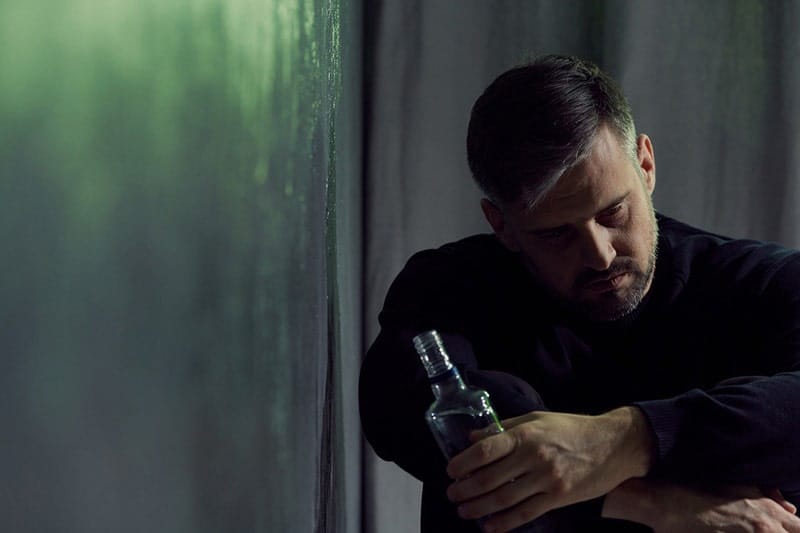
We all develop ways to cope with difficult situations and denial is one of them. Denial in addiction occurs because we don't want to deal with the truth. Those struggling with addictions use it to avoid facing the reality of their poor choices. And those close to them, particularly their partners, use it to do the same thing.
Denial is a form of sticking our head in the sand. And it's very, very common. Sadly, avoiding reality isn't a strategy that's successful for very long. The issues don’t go away, eventually the addiction, the problems that led to it, along with the new ones addiction brings, will cause even bigger problems. They may arise in your personal or work life, health, or more likely, all of these areas.
Every person I counseled yesterday had some form of denial in his or her lives that we were addressing: the two guys who abuse alcohol are in denial about their addictions and so are their wives; the guy who's wife won't join him in counseling because she doesn't want to hear that she could be part of 'his' problem has it; the guys who struggle with porn have it and so do their wives; the guy who won't hear his wife's pleas for him to communicate more with her has it. Denial is everywhere (exhibit #1 -- Addiction Treatment and Denial Equals Charlie Sheen).
Stopping denial in addiction is a key to getting change. But denial doesn't just occur with addictions, it can happen with anything. Preventing denial is really a cornerstone to healthy, successful living.
Partners of those stuck in addictions are always using some form of denial to cope. They would prefer to believe the problem doesn’t exist or that it can be managed. They would also like to believe that they don’t contribute to the problem or play a role in anyway. Unfortunately, not only is this thinking not true it’s also potentially dangerous.
Once learned, denial can become a natural response for our brains that we must learn to override it. So how do we stop addiction denial? Take a look at this post from our social media page.


Trust your gut is the way to override denial in addiction? Yes, it is. I know it sounds simplistic, but it's actually true and it really works.
We all have a natural ability to recognize the truth. It's just the way we're designed. However, many of us have covered over that skill with denial and other destructive ways to avoid the truth. Why? Because everyone wants to avoid pain.
Denial and addiction go together so easily because none of us wants to believe painful truths. Addiction occurs because we are trying to avoid or numb the pain caused by deeper problems. If we recognize the addiction, then we're forced to have to make a decision of what to do about it. And if we do something about the addiction then we have to face whatever issues helped get us to that point.
Making the decision to deal with addiction and its underlying issues also requires us to accept what this truth means for us and our lives. These are very difficult and painful steps. Denial is such an easier choice -- at least for the short-term.
A guy told me yesterday that he just "never saw" his drinking as an "addiction." It's only after our counseling together for 6 weeks that he's now beginning to accept that truth. Addiction denial doesn't just happen with the one struggling though, it also happens with the partner too. This guy's wife has also been in denial about his alcohol addiction for several years.
Because people can live in a state of denial when it comes to the problems their partners are facing they unwittingly contribute to it. By saying and doing nothing they’re essentially giving permission to their partner and condoning their behavior. Unfortunately, it’s often not until their partner is in crisis or in danger that they open they’ll stop the denial, open their eyes and try to do something. By this point things are exponentially worse than they would have been if they had stepped in earlier.
Learning to hear and trust our gut is a skill that must be exercised to stop addiction denial. As I said in this social media post, "the reason why we should trust our gut (or hunches, instinct, intuition, impulse) -- Our gut response is usually based on facts hidden just below our awareness."
If you're struggling with an addiction, the partner of someone who may be, or stuck in a relationship that is having problems, look at the hard truth of how denial is likely at work. Remember, denial in addiction or anywhere in our lives, is just a way we avoid the truth. So where is the truth being avoided by denial in your life?
Did you find this post helpful? Get notified of each new post by signing-up at the bottom of this page or follow me on Facebook or Twitter where I post relationship and self-improvement tips like this one.
Editor's Note: This post was originally published May 3, 2014. It has been updated for accuracy and comprehensiveness.
Think Marijuana Addiction has any negative effects? Check out these stories about Addiction To Marijuana and see how partners and relationships can suffer.
Could you have an Arousal Addiction? Or know someone who might? It’s possible. Many people do. So find out what Arousal Addiction is and how it manifests.
Think you have an Alcoholic Husband? See how a men's counselor who treats addictions says you can get an Alcoholic Husband To Admit It.
© 2025 Guy Stuff Counseling & Coaching, APC, All Rights Reserved.
Privacy Policy | Sitemap | Do Not Sell or Share My Information
Featured logos are trademarks of their respective owners.
i couldnt really find a topic directly related to my own situation, but addiction might fit. my husband has a smoking addiction and it has put a wedge into our relationship.
my husband and i have been together for a long time. he was a smoker when we started dating. ive never liked his smoking, but i loved him and believed he could quit if he really wanted to. hes always been "quitting". like most smokers he quits for a week or so and then starts back up again.
Kissing has kind of been an issue. he doesnt kiss me anymore. its not a sudden thing, he just gradually stopped kissing me. i tried to talk to him about it many times. i tried telling him how important kissing is for me. he said he is uncomfortable kissing me, because in the past ive complained about how gross it is.
which is true, it is gross. its absoutly disgusting to make out with a mouth that tastes like an ashtray. he would kiss me and i would often pull back, or ask him to brush his teeth, or tell him i wish he would quit smoking...
he says my comments have made him uncomfortable kissing me, and even if he wasnt smoking he still wouldnt want to kiss me because of how ive made him feel.
instead of quitting his habit, he quit kissing me, and its somehow my fault for telling him how i feel?!
im all kinds of upset right now. i want my husband to want to kiss me, and i want him to not taste like an ashtray. i dont feel like this is an unreasonable thing to want. how can i get him to understand?
Sarah, Any of the 'Addictions' posts will have some applicability to your situation, as will those in 'Understanding Men' and 'Love is Gone,' so check them out too. You need to move away from this being a "kissing" problem and move it to a "how do you show you love me" problem. His addiction, unhealthy lifestyle (he's killing himself), and choice of it over you are all bigger, more important, and the real problems. Get some professional counseling help if you need more guidance. -Kurt
I'm so glad I found this page. I'm struggling now to save my marriage but it's hard to even want to anymore. My husband has gone from one addiction (porn/alcohol) to another (now dip/ drinking again) . He is drinking more and more after years of not drinking when we first married.
He doesn't communicate at all. He lies and manipulates to avoid conflict or arguments when I'm upset. I'm so torn about keep fighting to make this work or walking away. It's heartbreaking because he says he cares & wants to fix things. Problem is in that's ALL he does is give empty words never follows through
Jenn, Thanks for the kind words. I'm glad you have found some help here. Only you know if leaving is right for you, but seeking out a local professional counselor is a good idea. Addictions are really tough to deal with on your own. It's ok if he won't go with you as both partners don't need to be there for it to work. -Kurt